7 Types of APIs Every Developer Should Know
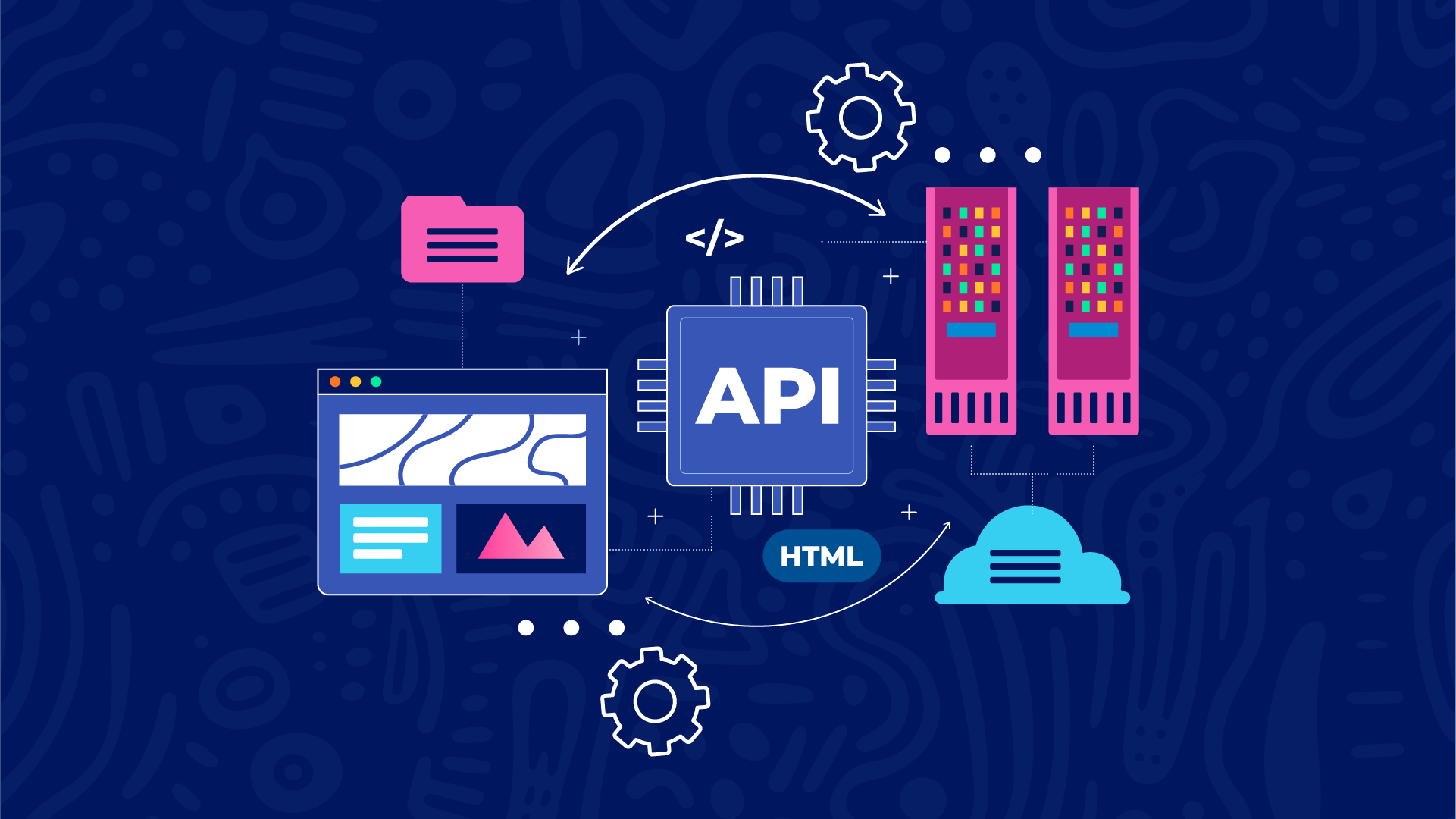
APIs are the digital transformation of the web apps. They power everything—from the apps on your phone to secure online banking.
But here’s the catch: not all APIs are the same. Just like people communicate in different ways, APIs also come in many forms. Knowing these differences helps you build faster, smarter, and more reliable applications.
In this guide, we’ll explore the most important API types, how they work, and when to use them.
What Is an API?
An API (Application Programming Interface) is like a digital waiter:
You (the app) place an order.
The API (the waiter) delivers the request to the kitchen (the server).
The kitchen prepares the food (data) and sends it back.
You don’t need to know how the kitchen works—you just get what you ordered.
That’s exactly how apps, websites, and servers communicate through APIs.
Common Types of APIs
Here are the API types every developer should know:
1. REST API
The most popular API style on the web.
Uses HTTP methods you already know:
GET→ retrieve dataPOST→ create new dataPUT→ update dataDELETE→ remove data
Returns data in JSON (easy for apps to parse).
Stateless: every request is independent.
Platform-independent: works on mobile, web, or IoT devices.
👉 REST APIs are great for scalable, cross-platform apps.
Must Read: The Importance of API Development in Modern Software Engineering
2. SOAP API
The formal, rules-heavy API still used in industries like banking, healthcare, and government.
Messages are wrapped in XML.
Built-in support for:
Security
Error handling
Transaction safety
Protocol independent (works over HTTP, SMTP, TCP, etc.).
👉 Use SOAP when reliability and security are more important than speed.
3. gRPC API
The Formula 1 race car of APIs, built by Google.
Uses Protocol Buffers (Protobuf) for super-fast binary data transfer.
Runs on HTTP/2, supporting multiple requests at once.
Communication patterns:
Request → Response
Server Streaming
Client Streaming
Bidirectional Streaming
👉 Perfect for real-time, high-performance apps (Netflix, Uber, trading systems).
4. GraphQL API
Created by Facebook to solve REST’s overfetching/underfetching problem.
Ask for exactly the data you need (no more, no less).
One endpoint, one request.
Supports real-time subscriptions.
Self-documenting with built-in query playgrounds.
👉 Great for front-end developers building fast apps on mobile and web.
5. WebHooks
The reverse API—instead of you asking the server for updates, the server pushes events to you.
Setup: provide a callback URL.
Example uses:
GitHub → notify when code is pushed.
Shopify → alert when an order is placed.
Slack bots → respond to events instantly.
👉 WebHooks are efficient for real-time notifications and automation.
6. WebSockets
Think of this as a permanent phone line between client and server.
Starts with an HTTP handshake, then stays open.
Two-way, real-time communication.
Supports text, JSON, and even binary data.
👉 Ideal for:
Live chat apps
Multiplayer games
Stock/crypto dashboards
Collaborative editors
7. WebRTC
A full framework for peer-to-peer communication.
Powers video calls, file sharing, and real-time collaboration.
Works directly between devices—no central server needed.
Adapts quality based on internet speed.
👉 The foundation of tools like Zoom, Google Meet, and online gaming.
Must Read: ISO 27001 vs. SOC 2: Which Compliance Framework Does Your App Need?
Conclusion
APIs are the invisible engine of the internet.
REST: scalable and simple.
SOAP: secure and reliable.
gRPC: ultra-fast and real-time.
GraphQL: precise and flexible.
WebHooks: instant event delivery.
WebSockets: continuous live updates.
WebRTC: peer-to-peer communication.
Each type has its place. Choosing the right API depends on what you’re building—whether it’s a mobile app, enterprise system, or real-time multiplayer game.
The more you understand these API types, the better you’ll be at designing modern, connected applications.


